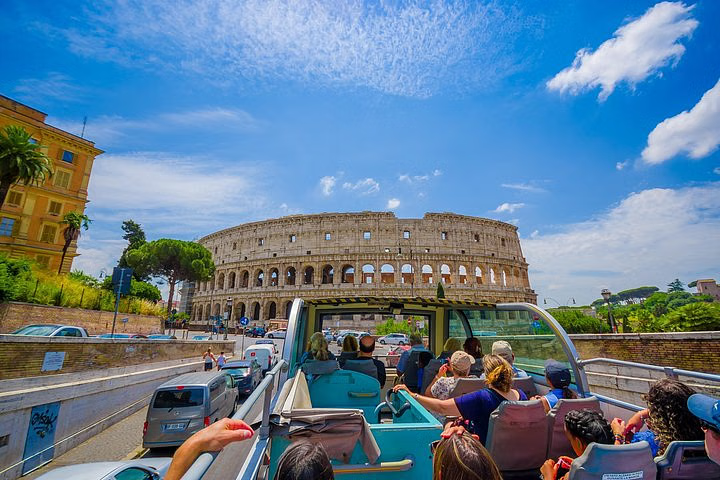
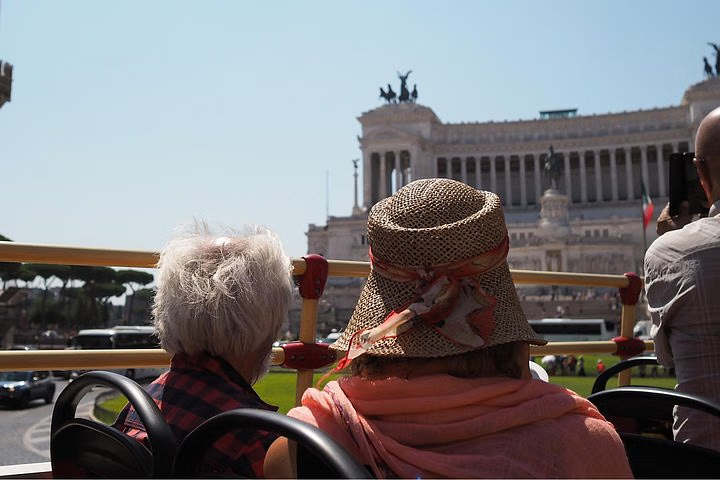
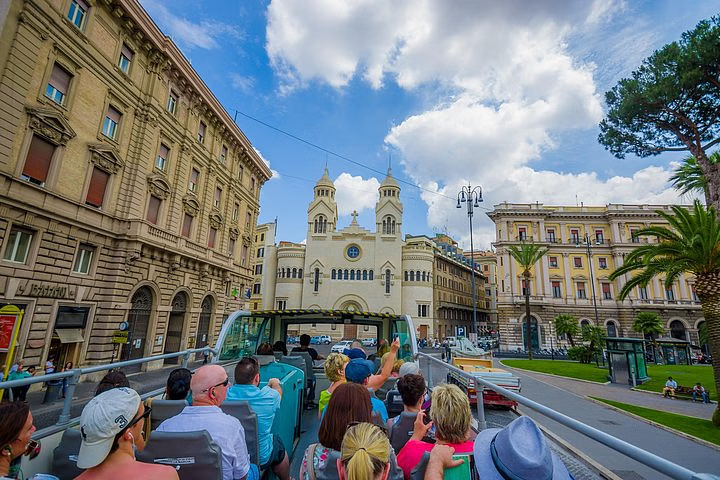
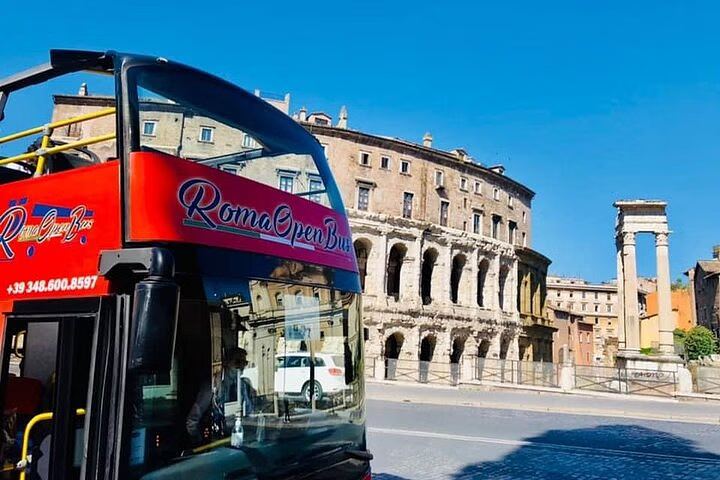
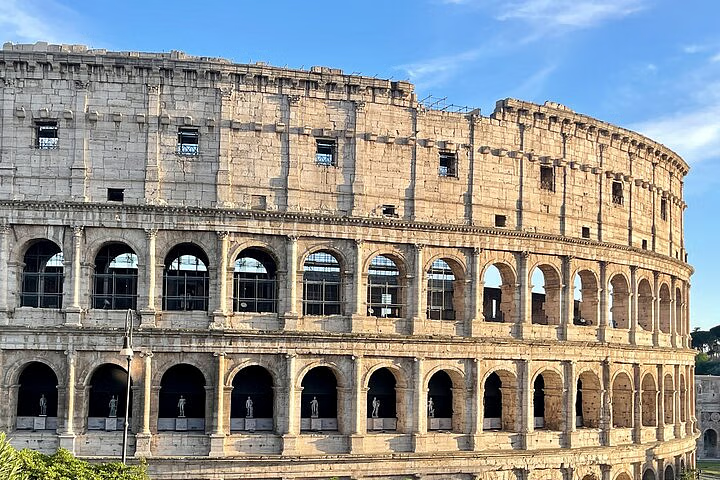
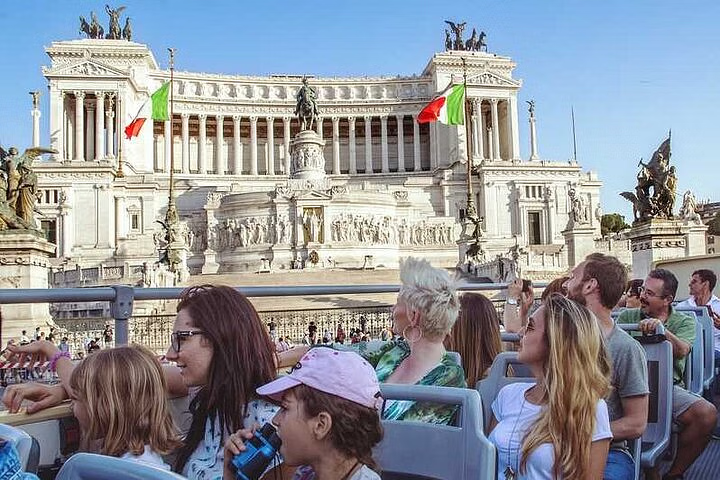
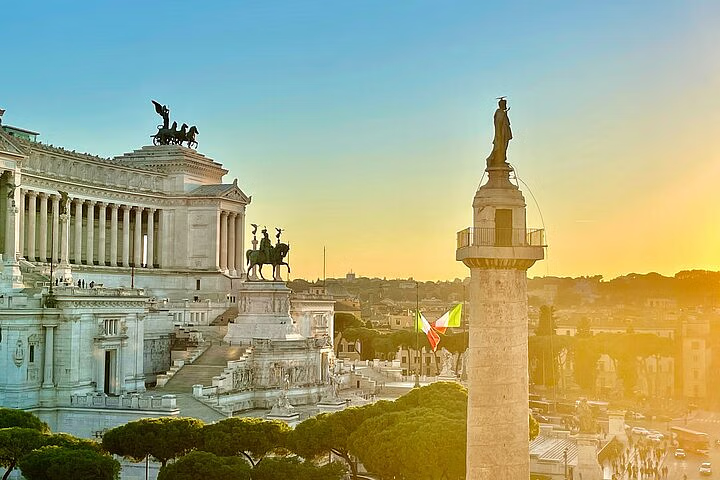
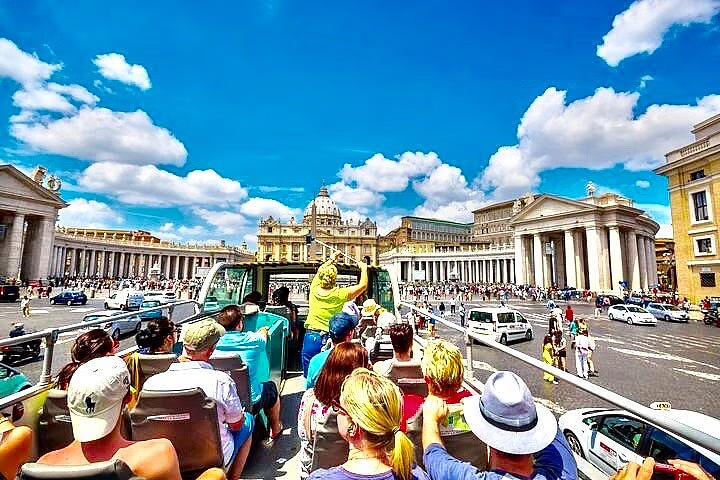
Rome Private Double Decker Open Bus Panoramic Tour | Exclusive Sightseeing Morning, Afternoon, Evening, or Night Tour | Tour Guide on board Exclusively visit Rome, on an open panoramic double-decker bus at your complete disposal for a one-of-a-kind city tour. With this service, you will have at your complete disposal a double-decker Open Bus to see the most important attractions of the Eternal City. During this incredible private sightseeing tour, you can admire the most important monuments of Rome. This tour is suitable for children, small families, or small and large groups. During the panoramic tour, you will see: Castel Sant’Angelo, Colosseum, Campidoglio, Piazza Venezia, Palatine Hill, Teatro di Marcello, temples of the Foro Boario, Circo Massimo, Aventino, Isola Tiberina, Santa Maria Maggiore, St. Peter’s Basilica and much more. A stop to admire the ruins of the imperial palaces where the emperors of the Roman Empire lived.
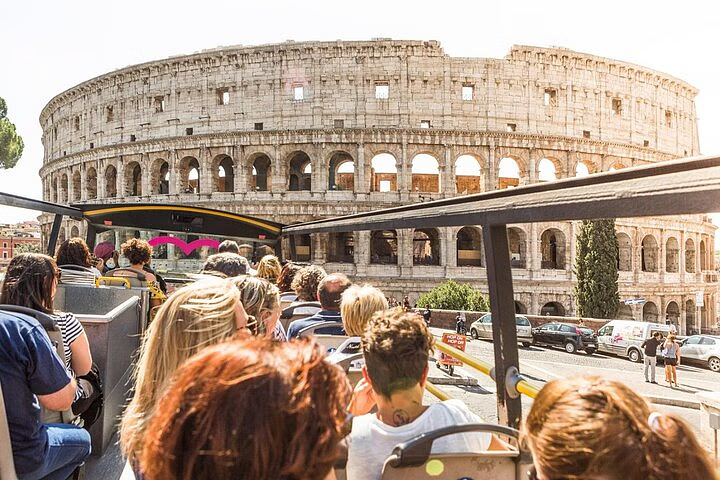
The private sightseeing tour lasts about 75/90 minutes.
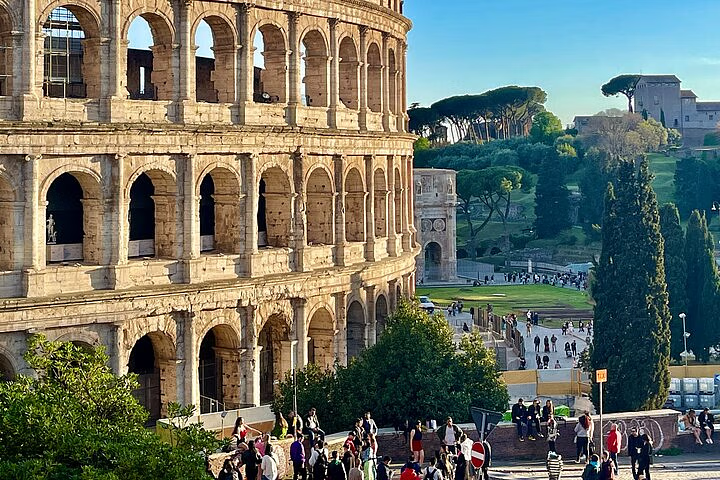
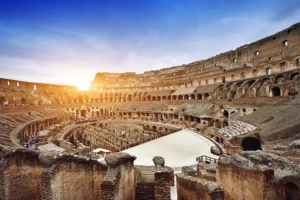
With this tour, you will enter the glorious Colosseum and learn about the spectacular and incredible entertainments organized there. Descend in the monument’s heart and visit the underground tunnels. Walk around the first tiers and reach the arena to learn about the trapdoors and all the mechanisms used to animate the games. Your tour guide will keep you entertained telling and showing you about the sea-battles, the cages where lions were kept before the games started, the rooms in which the Gladiators were waiting before they reached the arena, the executions and the excitement of the spectators attending to the most spectacular, fantastic and expensive games of all human history.
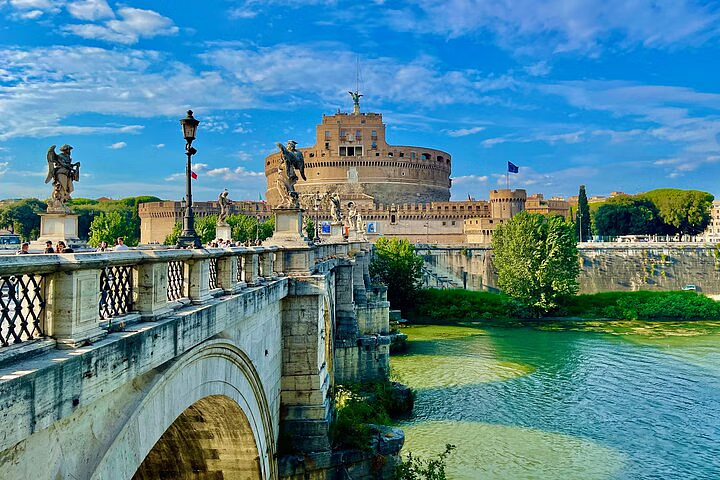
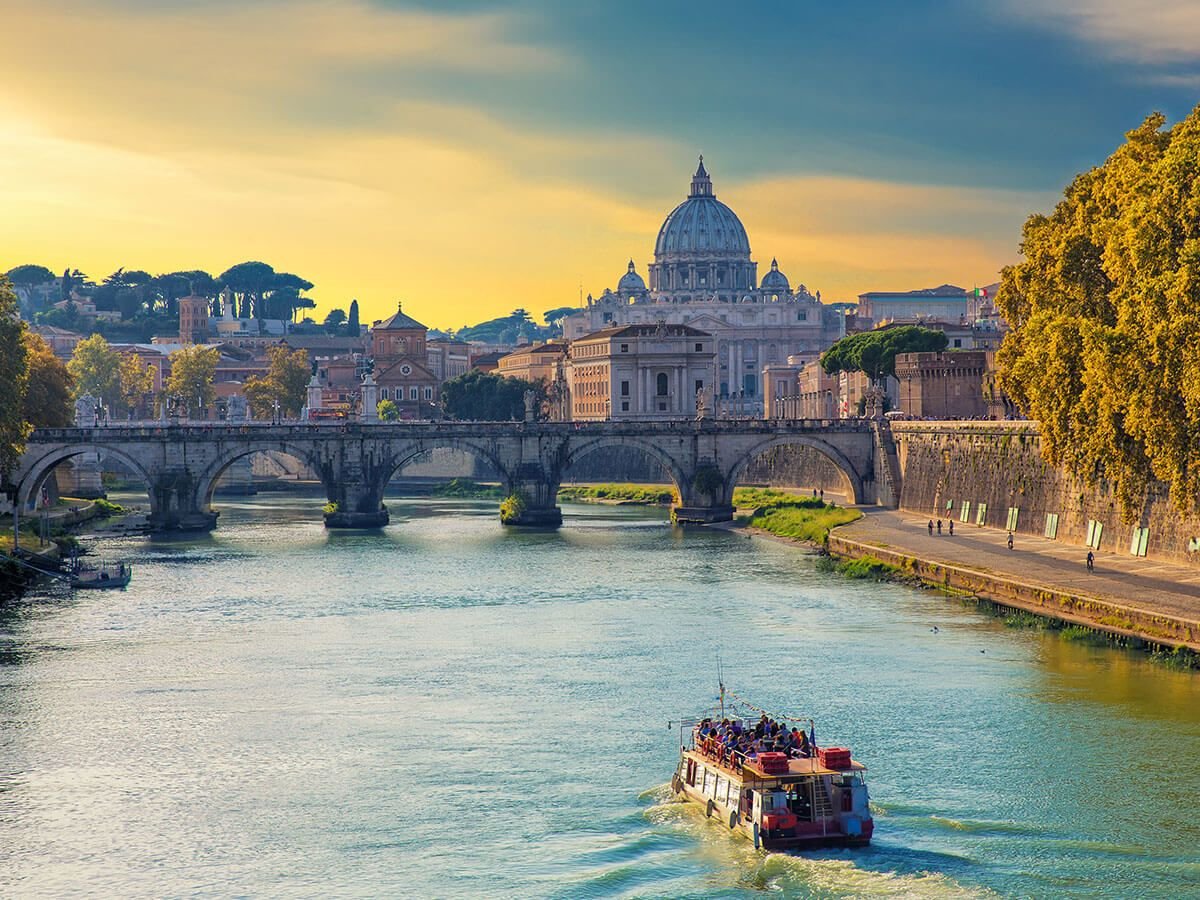
Continue your promenade along with the Tiber River Bank and enjoy an external visit to the Holy Castle, one of the most ancient buildings in Rome. Built as Hadrian’s tomb, it was transformed in the middle ages into the fortress of the popes. Nowadays is one of the most iconic monuments in Rome.
Saint Peter’s Square (Italian: Piazza San Pietro [ˈpjattsa sam ˈpjɛːtro], Latin: Forum Sancti Petri) is a large plaza located directly in front of St. Peter’s Basilica in Vatican City, the papal enclave inside Rome, directly west of the neighborhood (rione) of Borgo. Both the square and the basilica are named after Saint Peter, an apostle of Jesus considered by Catholics to be the first Pope. At the centre of the square is an ancient Egyptian obelisk, erected at the current site in 1586. Gian Lorenzo Bernini designed the square almost 100 years later, including the massive Doric colonnades,[1][2] four columns deep, which embrace visitors in “the maternal arms of Mother Church”. A granite fountain constructed by Bernini in 1675 matches another fountain designed by Carlo Maderno in 1613.
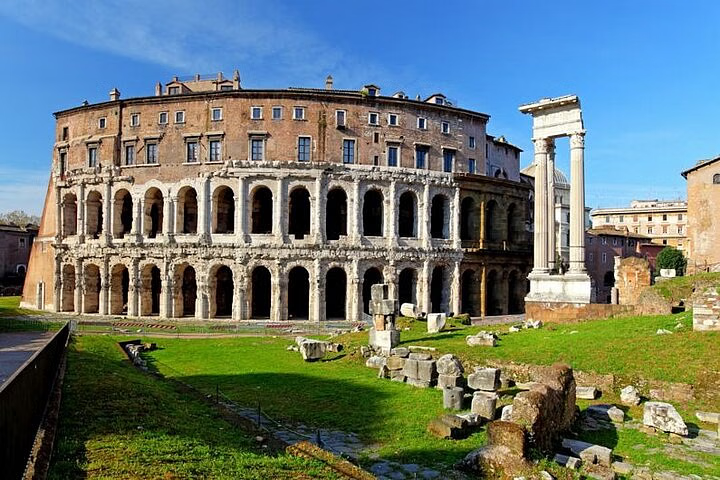
The Theatre of Marcellus (Latin: Theatrum Marcelli, Italian: Teatro di Marcello) is an ancient open-air theatre in Rome, Italy, built in the closing years of the Roman Republic. At the theatre, locals and visitors alike were able to watch performances of drama and song. Today its ancient edifice in the rione of Sant’Angelo, Rome, once again provides one of the city’s many popular spectacles or tourist sites. Space for the theatre was cleared by Julius Caesar, who was murdered before its construction could begin; the theatre was advanced enough by 17 BC that part of the celebration of the ludi saeculares took place within the theatre; it was completed in 13 BC and formally inaugurated in 12 BC by Augustus,[1] named after his nephew Marcus Claudius Marcellus who had died in 23 BC.
The structure was built by Augustus in the name of his sister, Octavia Minor, sometime after 27 BC,[1] in place of the Porticus Metelli. The colonnaded walks of the portico enclosed the temples of Jupiter Stator and Juno Regina, next to the Theater of Marcellus. It burned in 80 AD and was restored, probably by Domitian, and again after a second fire in 203 AD by Septimius Severus and Caracalla. It was adorned with foreign marble and contained many famous works of art, enumerated in Pliny’s Natural History.[2] The structure was damaged by an earthquake in 442 AD, when two of the destroyed columns were replaced with an archway which still stands. A church was built in the ruins circa 770 AD.[citation n
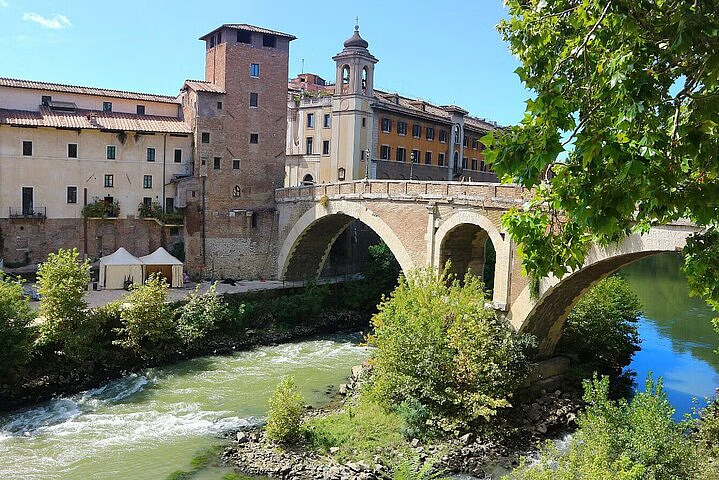
The Tiber Island (Italian: Isola Tiberina, Latin: Insula Tiberina) is the only river island in the part of the Tiber which runs through Rome. Tiber Island is located in the southern bend of the Tiber. The island is boat-shaped, approximately 270 metres (890 feet) long and 67 metres (220 feet) wide, and has been connected with bridges to both sides of the river since antiquity. Being a seat of the ancient temple of Asclepius and later a hospital, the island is associated with medicine and healing. The Fatebenefratelli Hospital founded in the 16th century, and the San Bartolomeo all’Isola dating from the 10th century are located on the island.
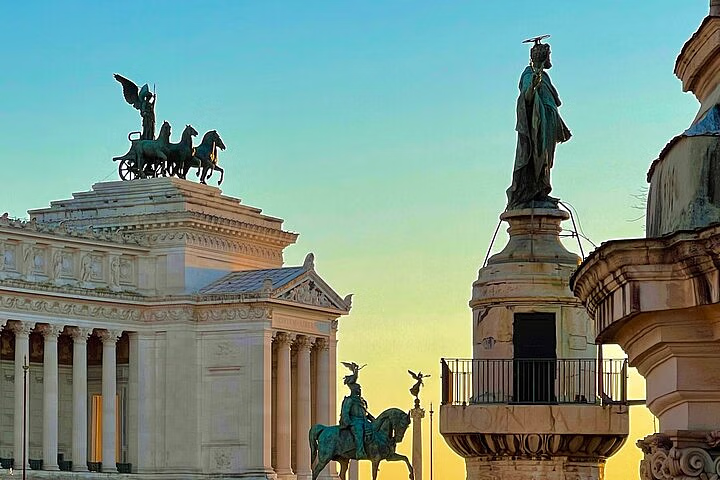
Piazza Venezia (Italian: [ˈpjattsa veˈnɛttsja]) is a central hub of Rome, Italy, in which several thoroughfares intersect, including the Via dei Fori Imperiali and the Via del Corso. It takes its name from the Palazzo Venezia, built by the Venetian Cardinal, Pietro Barbo (later Pope Paul II) alongside the church of Saint Mark, the patron saint of Venice. The Palazzo Venezia served as the embassy of the Republic of Venice in Rome.
The Aventine Hill is the southernmost of Rome’s seven hills. It has two distinct heights, one greater to the northwest (Aventinus Major) and one lesser to the southeast (Aventinus Minor), divided by a steep cleft that provides the base for an ancient roadway between the heights. During the Republican era, the two hills may have been recognized as a single entity. The Augustan reforms of Rome’s urban neighborhoods (vici) recognized the ancient road between the two heights (the modern Viale Aventino) as a common boundary between the new Regio XIII, which absorbed Aventinus Maior, and the part of Regio XII known as Aventinus Minor.
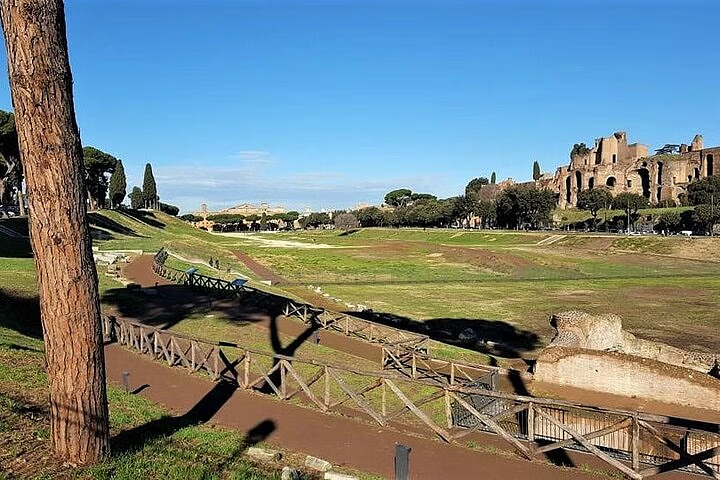
The Circus Maximus (Latin for “largest circus”; Italian: Circo Massimo) is an ancient Roman chariot-racing stadium and mass entertainment venue in Rome, Italy. In the valley between the Aventine and Palatine hills, it was the first and largest stadium in ancient Rome and its later Empire. It measured 621 m (2,037 ft) in length and 118 m (387 ft) in width and could accommodate over 150,000 spectators.[2] In its fully developed form, it became the model for circuses throughout the Roman Empire. The site is now a public park.
The Forum Boarium (Classical Latin: [ˈfɔɾʊ̃ˑ boˈäːɾiʊm], Italian: Foro Boario) was the cattle forum venalium of ancient Rome. It was located on a level piece of land near the Tiber between the Capitoline, the Palatine and Aventine hills. As the site of the original docks of Rome (Portus Tiberinus), the Forum Boarium experienced intense commercial activity. The Forum Boarium was the site of the first gladiatorial contest at Rome which took place in 264 BC as part of aristocratic funerary ritual—a munus or funeral gift for the dead. Marcus and Decimus Junius Brutus Scaeva put on a gladiatorial combat in honor of their deceased father with three pairs of gladiators. The site was also a religious centre housing the Temple of Hercules Victor, the Temple of Portunus (Temple of Fortuna Virilis), and the massive 6th or 5th century BC Great Altar of Hercules.
The Capitolium or Capitoline Hill, between the Forum and the Campus Martius, is one of the Seven Hills of Rome. The word Capitolium first meant the temple of Jupiter Optimus Maximus later built here, and afterward, it was used for the whole hill (and even other temples of Jupiter on other hills), thus Mons Capitolinus. In an etymological myth, ancient sources connect the name to caput, and the tale was that when laying the foundations for the temple, the head of a man was found, some sources even saying it was the head of some Tolus or Olus. The Capitolium was regarded by the Romans as indestructible and was adopted as a symbol of eternity. By the 16th century, Capitolinus had become Capitolino in Italian, and Capitolium Campidoglio. The Capitoline Hill contains few ancient ground-level ruins, as they are almost entirely covered up by Medieval and Renaissance palazzi (that surround a piazza, a significant urban plan designed by Michelangelo.
The Palatine Hill (/ˈpælətaɪn/; Latin: Collis Palatium or Mons Palatinus; Italian: Palatino [palaˈtiːno]), which relative to the seven hills of Rome is the centremost, is one of the most ancient parts of the city and has been called “the first nucleus of the Roman Empire.”[1] The site is now mainly a large open-air museum while the Palatine Museum houses many finds from the excavations here and from other ancient Italian sites. Imperial palaces were built here, starting with Augustus. Before imperial times the hill was mostly occupied by the houses of the rich. The hill originally had two summits separated by depression; the highest part was called Palatium and the other Germalus (or Cermalus). Using the Forma Urbis its perimeter enclosed 63 acres (25 ha); while the Regionary Catalogues of the 4th century enclose 131 acres (53 ha).
Piazza Barberini is a large piazza in the Centro Storico or city center of Rome, Italy, and situated on the Quirinal Hill. It was created in the 16th century but many of the surrounding buildings have subsequently been rebuilt. The current appellation was given in 1625 when it was named after the Palazzo Barberini, the substantial Baroque palace built in an elevated position on the south side of the piazza for the Barberini. Originally, there was a large entrance gateway to the palace designed by the Baroque painter and architect Pietro da Cortona on the south east corner of the piazza but this was demolished to make way for the construction of a new road in the 19th century. However, its appearance is known from engravings and early photographs of the piazza. At the center of the piazza is the Fontana del Tritone or Triton Fountain (1642) sculpted by Bernini.
The street was built in the 1880s, during a real estate boom subsequent to the annexation of Rome to the new Kingdom of Italy. In the 1950s and 60s, Via Veneto acquired international fame as the centre of la dolce vita (“the sweet life”), when its bars and restaurants attracted Hollywood stars and jet set personalities such as Audrey Hepburn, Anita Ekberg, Anna Magnani, Gary Cooper, Orson Welles, Tennessee Williams, Jean Cocteau and Coco Chanel.[2] The 1960 film La Dolce Vita by Federico Fellini immortalized Via Veneto’s hyperactive lifestyle, lights, and crawling stream of honking traffic. Some of Rome’s most renowned cafés and five star hotels, like Café de Paris, Harry’s Bar, Regina Hotel Baglioni, and The Westin Excelsior, Rome, are located in Via Veneto.[3][4] The Embassy of the United States, housed in Palazzo Margherita, is located along the avenue.
Villa Borghese is a landscape garden in Rome, containing a number of buildings, museums (see Galleria Borghese) and attractions. It is the third largest public park in Rome (80 hectares or 197.7 acres) after the ones of the Villa Doria Pamphili and Villa Ada. The gardens were developed for the Villa Borghese Pinciana (“Borghese villa on the Pincian Hill”), built by the architect Flaminio Ponzio, developing sketches by Scipione Borghese, who used it as a villa suburbana, or party villa, at the edge of Rome, and to house his art collection. The gardens as they are now were remade in the late 18th century.
Piazza della Repubblica is a circular piazza in Rome, at the summit of the Viminal Hill, next to the Termini station. On it is to be found Santa Maria degli Angeli e dei Martiri. It is served by the Repubblica – Teatro dell’Opera Metro station. From the square starts one of the main streets of Rome, Via Nazionale. The former name of the piazza, Piazza dell’Esedra, still very common today, originates in the large exedra of the baths of Diocletian, which gives the piazza its shape.[1] The exedra present in the baths of Diocletian was incorporated into the gardens built by Cardinal Jean du Bellay; on his death in 1560, the land was purchased by Cardinal Carlo Borromeo, and eventually came into the possession of Cardinal Alessandro Sforza in 1579. Between 1598 and 1600 the exedra was converted into a church. Then, in 1885, the Via Nazionale cut through the centre of this structure.[2]
The Basilica of Saint Mary Major (Italian: Basilica di Santa Maria Maggiore, Italian pronunciation: or church of Santa Maria Maggiore, is a Major papal basilica as well as one of the Seven Pilgrim Churches of Rome and the largest Catholic Marian church in Rome, Italy. The basilica enshrines the venerated image of Salus Populi Romani, depicting the Blessed Virgin Mary as the health and protectress of the Roman people, which was granted a Canonical coronation by Pope Gregory XVI on 15 August 1838 accompanied by his Papal bull Cælestis Regina. Pursuant to the Lateran Treaty of 1929 between the Holy See and Italy, the Basilica is within Italian territory and not the territory of the Vatican City State. However, the Holy See fully owns the Basilica, and Italy is legally obligated to recognize its full ownership thereof and to concede to it “the immunity granted by International Law to the headquarters of the diplomatic agents of foreign States.
Largo di Villa Perpetti 00185 RM Roma, IT
Discover Ancient Rome at Your Own Pace: Explore th...
4 hours
Discover the eternal charm of Rome under a differe...
2 hours
Underground Rome for Kids: Fun Private Tour of Wal...
3 hours
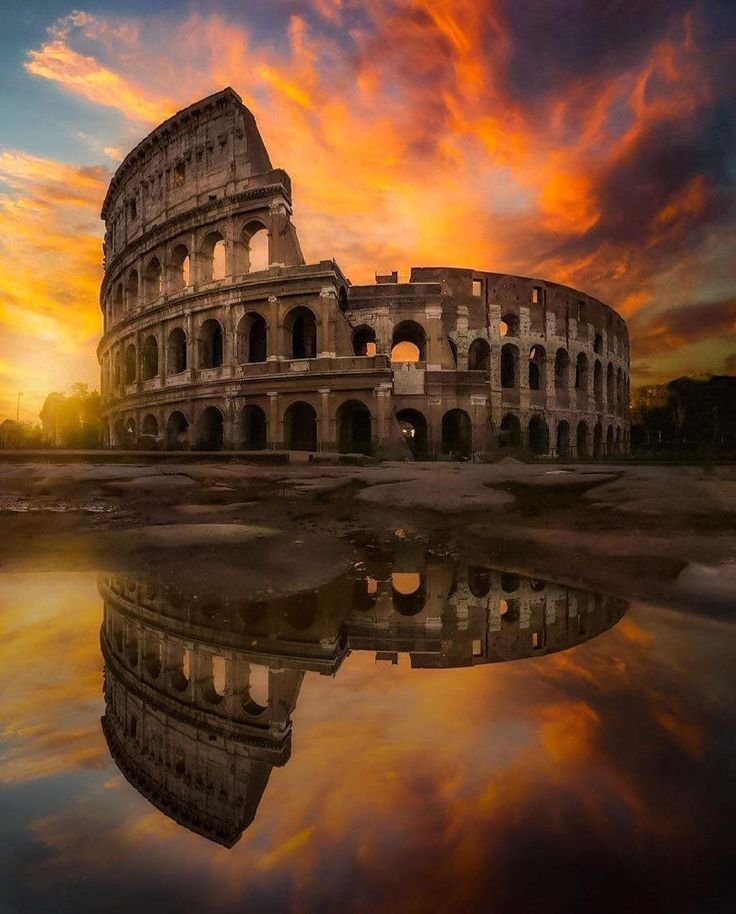
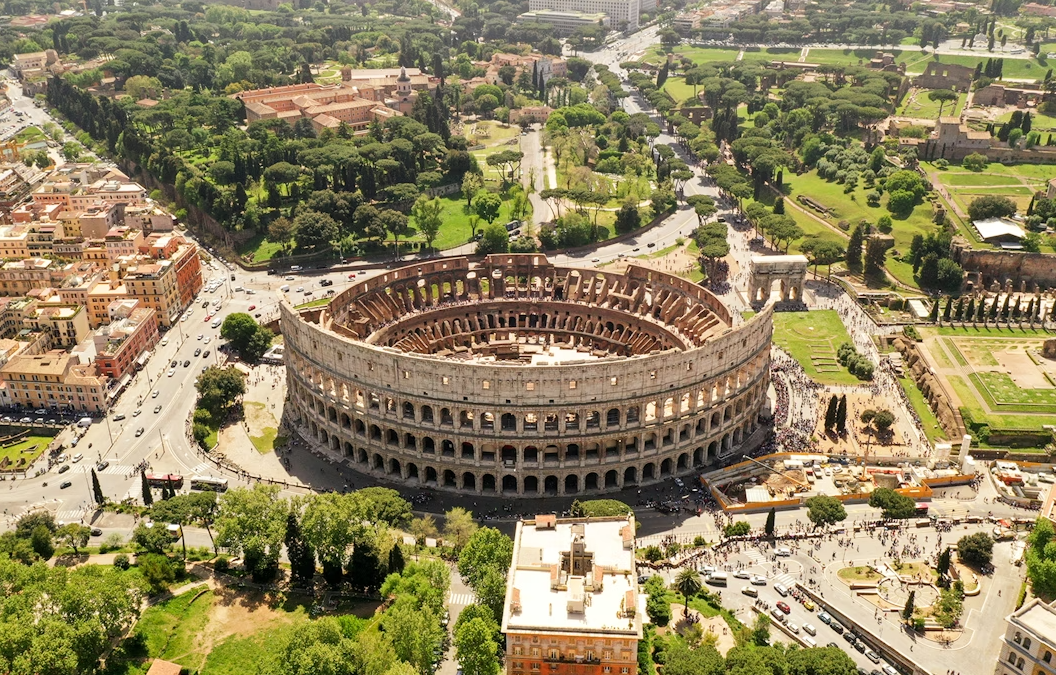
The Colosseum, Rome’s legendary ancient arena, once echoed with gladiator battles and grand shows, and now stands as a powerful symbol of the city's eternal legacy.
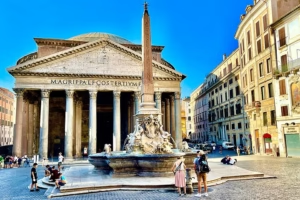
The Pantheon is a masterpiece of Roman ingenuity, crowned by its iconic dome and central oculus, serving as a temple-turned-church for almost two millennia.
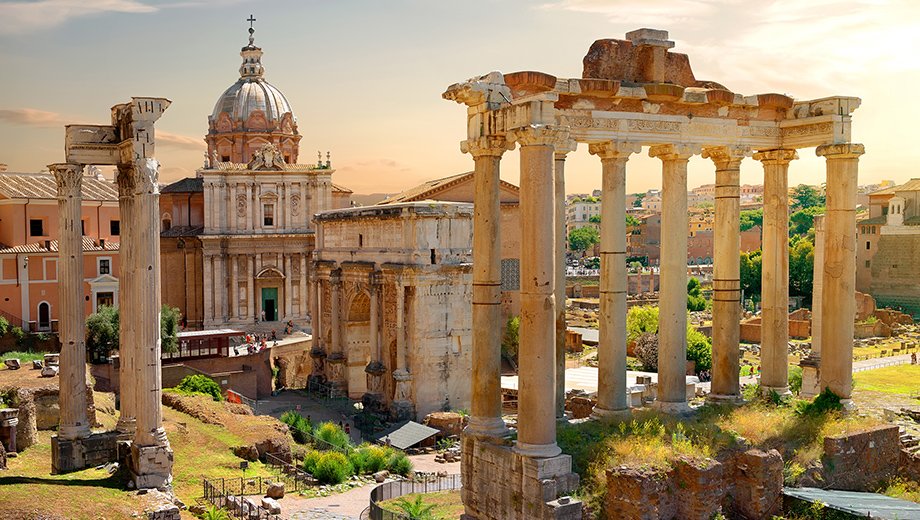
Once the center of ancient Roman society, the Roman Forum is a vast archaeological park showcasing temples, civic buildings, and storied ruins.
Vatican City, the spiritual center of the Roman Catholic Church, holds a wealth of art, history, and faith, housing St. Peter’s Basilica and the Sistine Chapel.
Palatine Hill, one of Rome’s famed seven hills, was the site of imperial palaces and offers breathtaking views over the city and its ancient ruins.
The Galleria Borghese, set within the lush Villa Borghese gardens, showcases a stunning collection of sculptures and paintings by masters such as Bernini, Caravaggio, and Raphael.
St. Peter’s Basilica, the crown jewel of Vatican City, is a majestic architectural marvel housing Michelangelo’s Pietà and the soaring dome he masterfully designed.
The Sistine Chapel, famed for Michelangelo’s awe-inspiring ceiling frescoes, is both a masterpiece of Renaissance art and the sacred setting of the papal conclave.
Castel Sant’Angelo, once Emperor Hadrian’s grand mausoleum, now serves as a museum with sweeping views of Rome and a rich history as a fortress and papal stronghold.
The Trevi Fountain, Rome's largest and most iconic Baroque fountain, is famed for its stunning sculptures.
A hot visit to the Colosseum!
Had to collect tickets from a shop near to the Colosseum – lady there was most helpful in explaining where we needed to go and to download apps to our phones for the self audio guide (also gave us some free water with the heat!). Found the entrance easy and then enjoyed the tour – only issue was that the GPS signal wasnt great inside so it was difficult to sync the audio guide to what we were looking at. Took a break before doing the Palatine Hill and Roman Forum – we went on a very hot day and it was hard work walking around – make sure you have plenty of water!! Surfaces were very uneven – which is understandble considering its an ancient monument.
Amazing place to visit, weak audio guide
Such an amazing place to visit, it’s easy to understand why this is a must see! The sites were fantastic, but the audio tour was too generic. There were some interesting clips, but not enough about what we were looking at when we were at different points and too much generic history. In retrospect we would have got a lot more from a guide, but it was very nice to go at our own pace.
Unforgettable experience!
This tour was nothing short of amazing! From start to finish, everything was organized, engaging, and informative. Our guide was incredibly knowledgeable and brought the history of the Colosseum to life with fascinating stories, little-known facts, and a real passion for Ancient Rome.
The skip-the-line access was a huge plus—no waiting around in the hot sun! We also got upgraded for an Arena tour and got to explore areas that aren’t always open to the public, which made the experience feel exclusive and even more special.
Very good customer service from Dolly
I was due to travel in August on this holiday however due to operational reasons, the tour may not have run and I was made aware straight away. I dealt with a women called Dolly and she offered me alternative options and we decided to refund the tour which was done promptly. Dolly gave me some brilliant advice and some useful insight to Rome.She was fab!

Good day out
Really enjoyed the experience, can’t remember the tour guide’s name but he was very good. Very informative and detailed on the tour which kept me engaged about the history. It wasn’t as busy as usual which was also a pleasant experience. Highly enjoyable, many thanks.

Well worth it
Really well organised and our guide was great. Really informative and engaging. You wasn’t rushed and had a nice flow to it.
Would highly recommend this. Not sure you’d capture everything without the guide.
A hot visit to the Colosseum!
Had to collect tickets from a shop near to the Colosseum – lady there was most helpful in explaining where we needed to go and to download apps to our phones for the self audio guide (also gave us some free water with the heat!). Found the entrance easy and then enjoyed the tour – only issue was that the GPS signal wasnt great inside so it was difficult to sync the audio guide to what we were looking at. Took a break before doing the Palatine Hill and Roman Forum – we went on a very hot day and it was hard work walking around – make sure you have plenty of water!! Surfaces were very uneven – which is understandble considering its an ancient monument.
Amazing place to visit, weak audio guide
Such an amazing place to visit, it’s easy to understand why this is a must see! The sites were fantastic, but the audio tour was too generic. There were some interesting clips, but not enough about what we were looking at when we were at different points and too much generic history. In retrospect we would have got a lot more from a guide, but it was very nice to go at our own pace.
Unforgettable experience!
This tour was nothing short of amazing! From start to finish, everything was organized, engaging, and informative. Our guide was incredibly knowledgeable and brought the history of the Colosseum to life with fascinating stories, little-known facts, and a real passion for Ancient Rome.
The skip-the-line access was a huge plus—no waiting around in the hot sun! We also got upgraded for an Arena tour and got to explore areas that aren’t always open to the public, which made the experience feel exclusive and even more special.
Very good customer service from Dolly
I was due to travel in August on this holiday however due to operational reasons, the tour may not have run and I was made aware straight away. I dealt with a women called Dolly and she offered me alternative options and we decided to refund the tour which was done promptly. Dolly gave me some brilliant advice and some useful insight to Rome.She was fab!

Good day out
Really enjoyed the experience, can’t remember the tour guide’s name but he was very good. Very informative and detailed on the tour which kept me engaged about the history. It wasn’t as busy as usual which was also a pleasant experience. Highly enjoyable, many thanks.

Well worth it
Really well organised and our guide was great. Really informative and engaging. You wasn’t rushed and had a nice flow to it.
Would highly recommend this. Not sure you’d capture everything without the guide.
Keep up with our latest news,investor updates, and media releases.